

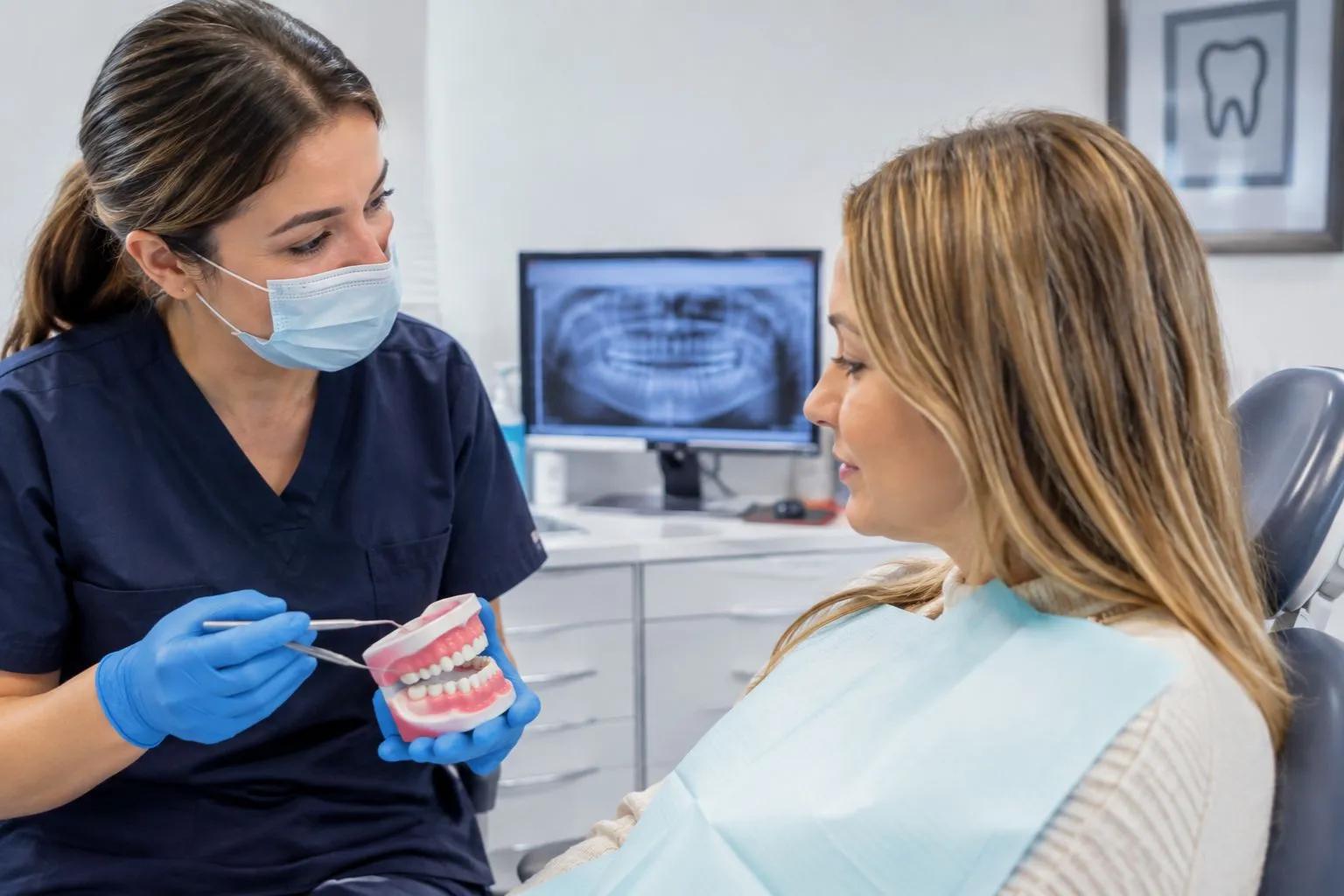
You brush twice a day. You floss (most days, if you're honest). So do you really need to keep booking dental appointments?
The short answer is yes, and the reason isn't just about clean teeth. Regular visits to a Macclesfield dental clinic catch small problems before they turn into expensive, painful ones. A tiny bit of decay that takes ten minutes to fix today can turn into a root canal in eighteen months if nobody spots it. Your dentist isn't just polishing your smile; they're keeping an eye on things you can't see or feel yet.
Most of us know the six-month rule exists, but far fewer people actually understand why it's set at that interval, or whether it even applies to them personally. The truth is, your ideal check-up schedule depends on your age, your dental history, and even your lifestyle. So how often should you actually be going? Let's break it down properly.
The Standard Rule: Every Six Months
For most people, a check-up every six months is the sweet spot. This isn't a random number dentists picked out of thin air. It's roughly how long it takes for plaque build-up, minor cavities, or early gum problems to become visible and treatable before they escalate.
Six-monthly visits also give your dentist a chance to track changes over time. They'll compare X-rays, monitor how your gums are responding to your current routine, and flag anything that's shifted since your last visit. That kind of ongoing comparison is hard to replicate with a one-off check.
Why Regular Checkups Actually Matter
It's easy to assume that if nothing hurts, nothing's wrong. Unfortunately, dental problems are sneaky. Gum disease, in particular, often develops with almost no symptoms until it's fairly advanced, and by the time you notice bleeding or discomfort, it's usually progressed further than you'd think.
Regular visits also mean smaller, cheaper fixes. A tiny cavity caught early might just need a small filling. Left unchecked for a year or two, that same cavity can spread deep enough to need a crown or root canal, both of which cost more, take longer, and are far less pleasant to sit through.
Here's what a routine visit is actually protecting you from:
Cavities that haven't started hurting yet. Pain usually means the decay has already reached the nerve.
Early-stage gum disease. Bleeding gums are often dismissed as normal, but they're usually the first warning sign.
Oral cancer. Dentists are trained to spot early signs during a standard exam, well before you'd notice anything yourself.
Worn-down enamel or teeth grinding. Many people grind their teeth in their sleep and have no idea until a dentist points it out.
Factors That Affect How Often You Should Visit

The six-month rule works well as a baseline, but it isn't one-size-fits-all. Your ideal schedule depends on a few personal factors.
Age and Life Stage
Children's teeth are still developing, so their dentist may want to see them slightly more often to monitor growth and catch issues with baby teeth early. Older adults, especially those with dentures, bridges, or existing dental work, often benefit from more frequent visits too, since these need regular checking to stay in good condition.
Your Oral Health History
If you've had gum disease, multiple fillings, or root canal treatment in the past, your dentist will likely recommend shorter gaps between visits, sometimes every three to four months. This isn't about being overly cautious; it's simply that a history of problems usually means a higher risk of new ones.
Lifestyle Habits
Smoking, a high-sugar diet, and certain medical conditions like diabetes can all increase your risk of gum disease and decay. If any of these apply to you, a good macclesfield dental clinic will usually suggest a more frequent check-up schedule to stay ahead of potential issues rather than reacting after something's already gone wrong.
What Actually Happens During a Routine Visit
If you've been putting off a check-up because you're not sure what to expect, here's the rundown. A typical visit includes a full examination of your teeth, gums, tongue, and jaw, plus a professional clean to remove plaque and tartar you can't shift at home with a toothbrush.
Your dentist will also usually ask about any changes since your last visit, things like sensitivity, jaw pain, or habits like teeth grinding. Many visits also include a quick discussion about your diet and home care routine, since small tweaks there can make a big difference to your results between appointments. It's a short appointment, but it covers a lot of ground.
Common Mistakes People Make With Dental Visits
Waiting for pain before booking an appointment. By the time something hurts, treatment is usually more involved and more expensive.
Assuming clean-feeling teeth mean healthy teeth. Plaque build-up below the gum line isn't something you can feel with your tongue.
Skipping visits because "nothing's changed." Some of the most serious issues, like early gum disease or oral cancer, show no obvious symptoms at first.
Pro Tip
Book your next appointment before you leave your current one. It sounds simple, but it's the easiest way to avoid letting six months quietly stretch into two years.
“Did You Know? Gum disease has been linked to other health issues beyond your mouth, including heart disease and complications with diabetes. Keeping up with regular dental visits isn't just about your smile; it can genuinely support your overall health.”
Your Next Appointment Is One Click Away
Life gets busy, and dental appointments are easy to push back. But putting it off usually costs more time, money, and comfort in the long run than just getting it sorted now.
At Fence House Dental, we make it simple to stay on top of your oral health. Whether it's been six months or a few years since your last visit, our friendly team will give you an honest, thorough check-up with no pressure and no judgement.
Book your appointment with Fence House Dental today and give your smile the attention it deserves.